
Termites may be small, but the damage they can cause is astronomical. Catching an infestation early can prevent expensive headaches down the road, but what do you need to look for? We’ll break down the signs of termite damage and how to prevent termite infestations below.
Why Termites Target Windows & Doors
Your windows and doors are prime targets for termites for several reasons:
- Wood framing: Most termites (though not all) prefer wood as their food source. Older windows and doors are likely made of wood or wood composite, so it’s worth checking.
- Moisture buildup: Damp sills or doorframes from condensation or rainwater can lead to softer wood, which is ideal for termites to consume.
- Easy access: Older window and door models often have microscopic cracks that invite termites inside.
If you know your home has older wood-framed doors or windows, being able to spot termite damage early might help you avoid costly repercussions later on.
Common Signs of Termite Damage in Windows
Spotting some concerning signs? It’s usually simple to spot signs of termite damage around your windows.
Hollow or Papery Wood
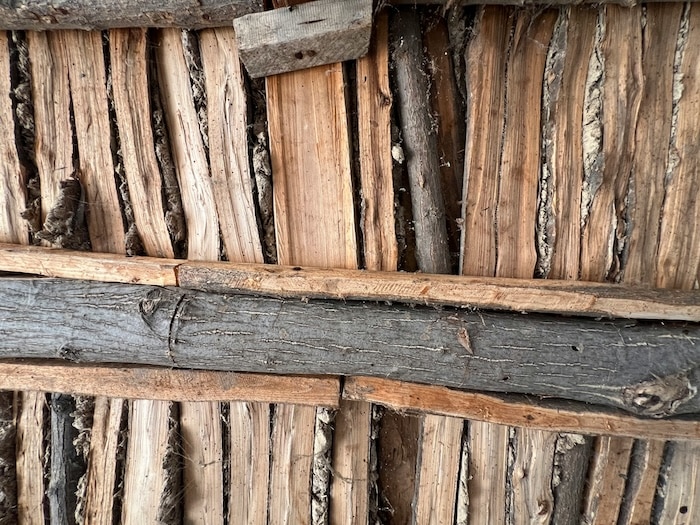
If you suspect termite damage, knock or tap on your window frames and sills. Do they sound hollow? Termites feed on the cellulose in wood, consuming wood windows from the inside out and leading to that brittle sound that professionals refer to as “papery wood.”
Small Holes and Droppings
Seeing tiny pellets that resemble coffee grounds on or around your windowsills? Check for tiny holes in both the window frame and the sill itself. These are droppings being pushed out of ventilation holes and indicate active termite tunnels in your windows.
Warped or Stuck Windows
Termites feeding on wooden windows weaken their internal structures. This leads to the frames warping and shifting, which can make it difficult or impossible to operate your windows.
Bubbling or Peeling Paint
You may think your windows have sustained water damage if you see blisters or bubbles in the paint. However, termites are also more than capable of causing damage on this scale.
It’s worth investigating whether you’re dealing with water or termites when you see peeling, bubbling or even sinking surfaces on your window frame. When peeling paint combines with any of the signs above, you should have your answer.
Common Signs of Termite Damage in Doors
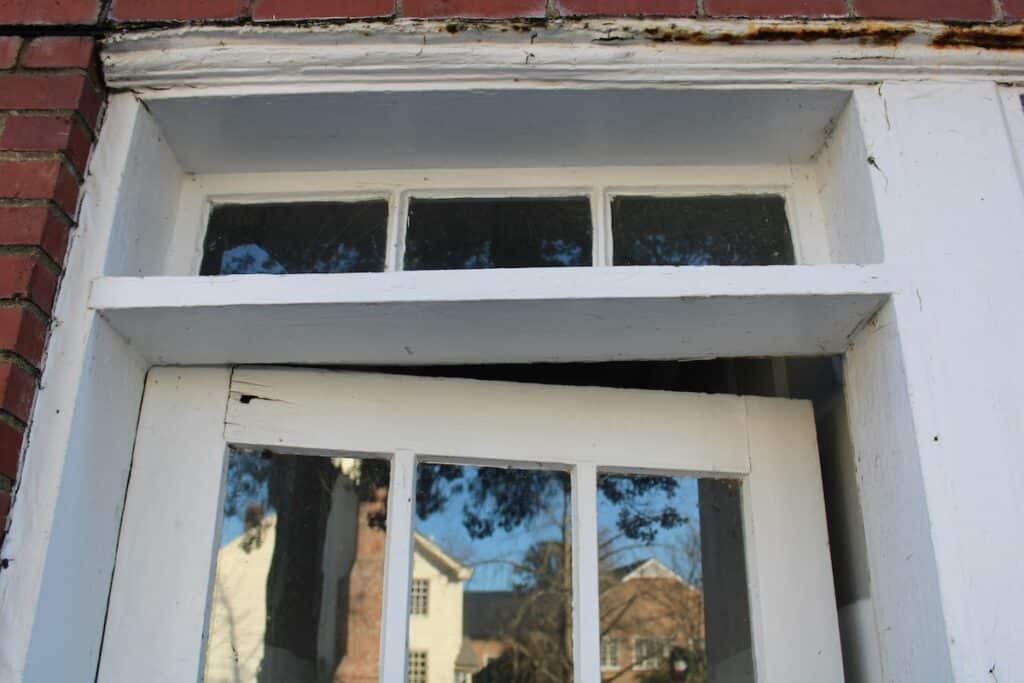
Along with windows, wood doors can be a popular food source for termites. Here’s how to tell if your door is affected.
Sagging or Stiff Doors
When termites tunnel through doors, it weakens the overall construction and mimics warping from water damage. This leads to doors that won’t properly fit the frame, making them difficult to open or close.
Uneven Frame Edges
If your door frame does not have straight and even edges, termites may be the cause. As they eat through the wood inside, it affects the structural integrity, causing the door frame to shift and buckle.
Hollow-Sounding Wood
If you suspect you’re dealing with termites, simply knock on your door. If you notice a hollow sound that wasn’t present previously, that’s a sign that termites have eaten the hidden interior of your door.
Visible Mud Tubes Near Doors
Mud tubes are a network of trailways that termites create out of soil and wood, connecting their nest to their food source. You’ll see these on the exterior of your home, leading up from the ground. They’re a sure sign it’s time to investigate for damage.
What To Do If You Suspect Termite Damage
Seeing some of the hallmark signs of termite damage? Here are your immediate next steps.
- Reduce moisture: Place a dehumidifier near any affected doors or windows.
- Cover any holes: If you see termite holes (pin-sized openings in wood), cover them with duct or painter’s tape until professionals arrive.
- Don’t spray: Unless you have termite-specific chemicals, do not spray any household insecticide sprays. These could cause termites to dig in deeper to escape.
- Contact a professional: Pest professionals are your best bet to rid your home of termites. Contact them to conduct tests and take care of the problem.
How to Prevent Termite Damage

The best time to deal with termite damage is before it starts. The second-best time is now. Here’s how to prevent termites from feasting on your doors and windows.
Choose Vinyl Doors & Windows
Wood is a termite’s food source. Vinyl is not. By choosing exterior products made of vinyl, you get peace of mind—as well as a product built to last for decades.
Control Moisture Levels
Moisture makes it easier for termites to get in your doors and windows. Fix that leaky faucet, check for in-wall or pipe leaks and address any standing water issues. Ensure areas like basements or crawl spaces are well-defended against moisture, too. Make sure the soil near your home is dry for additional protection.
Maintain Proper Sealing
Regularly check your caulking and seals around doors and windows to ensure they are in good working order. Broken or damaged seals are crucial entry points for termites (as well as other insects). If your seals have failed, it’s time to replace your windows or doors.
Schedule Regular Inspections
Having a licensed pest control expert regularly ensure your home is protected is the single best step you can take to prevent termite infestations. Annual property and home inspections may turn up early warning signs you may miss and help you avoid expensive repairs.
Upgrade Your Windows & Doors With Us
Your home deserves the best—and with vinyl windows and doors, you can stay termite-free for decades to come. Our products are beautifully designed, with a wood-like appearance that comes with none of the hassle of real wood. Get in touch for your free estimate today!